
Miso Soup
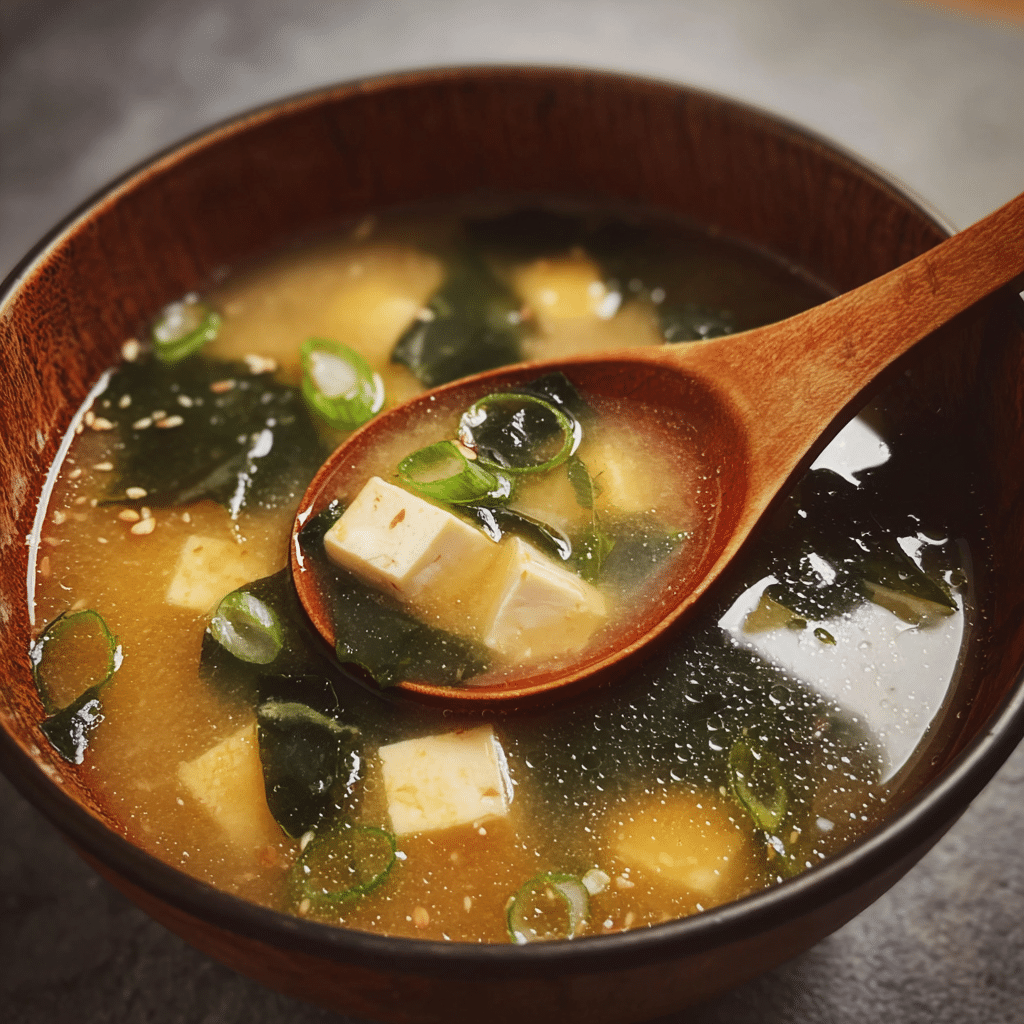
Miso Soup is a timeless Japanese dish that effortlessly elevates any meal with its deep, umami-packed flavor and impressive nutritional profile. Whether served as a comforting starter or a light side, miso soup’s delicate balance of savory miso paste, nourishing broth, and fresh ingredients makes it a staple that perfectly complements breakfast, lunch, or dinner. Discover why this simple yet versatile soup deserves a permanent spot in your kitchen rotation.
Why You’ll Love This Recipe
- Rich, comforting flavor: Miso Soup offers a deliciously savory and slightly salty taste that satisfies the palate without overpowering.
- Nutritious and light: Packed with probiotics, vitamins, and minerals, it supports digestion and overall health.
- Quick and easy to prepare: With minimal ingredients and simple steps, you can have fresh soup ready in under 20 minutes.
- Adaptable to your preferences: You can customize miso soup with various vegetables, proteins, and garnishes to suit any meal.
- Perfect for any occasion: Whether you’re feeling under the weather or hosting dinner, it’s a soothing addition everyone will appreciate.
Ingredients You’ll Need
The beauty of miso soup lies in its simplicity — just a few essential ingredients combine to create layers of flavor, texture, and color that keep each bowl interesting and nutritious.
- Miso paste: Choose white (shiro) or red (aka) miso paste for the base, each offering a slightly different depth and saltiness.
- Dashi stock: The traditional umami-rich broth made from kombu seaweed and bonito flakes, or a vegetarian alternative enhances the soup’s foundation.
- Silken tofu: Adds protein along with a soft, creamy texture that balances the broth perfectly.
- Wakame seaweed: This rehydrated seaweed contributes a slight chewiness and vibrant green color.
- Green onions: Freshly chopped scallions create a bright, mild onion flavor and crunchy texture contrast.
Variations for Miso Soup
Feel free to tweak this recipe to match your mood or pantry. Miso soup’s natural flexibility makes it easy to accommodate dietary needs or experiment with flavors.
- Vegetable boost: Add mushrooms, spinach, or daikon radish for an extra veggie-packed punch.
- Protein options: Swap tofu for cooked chicken, shrimp, or soft-boiled egg to create heartier versions.
- Spicy twist: Incorporate a dash of chili flakes or a drop of sesame oil for subtle heat and nuttiness.
- Gluten-free swap: Use gluten-free miso paste and tamari to keep the soup safe for gluten-sensitive eaters.
- Seasonal herbs: Experiment with shiso leaves or fresh cilantro for an unexpected herbal lift.

How to Make Miso Soup
Step 1: Prepare the Dashi Stock
Begin by soaking kombu in cold water for about 30 minutes, then gently heat it just before boiling. Remove the kombu before the water boils, add bonito flakes if using, simmer briefly, and strain the broth to form a clear, umami-rich dashi base.
Step 2: Add Tofu and Wakame
Gently cut silken tofu into small cubes and add to the hot dashi broth along with rehydrated wakame seaweed, letting the flavors meld together as the tofu warms through.
Step 3: Dissolve the Miso Paste
Remove a ladle of hot broth and whisk the miso paste into it separately to prevent clumping before returning the smooth mixture to the pot—be sure to keep the soup below boiling to preserve beneficial probiotics.
Step 4: Final Touch with Green Onions
Turn off the heat and sprinkle in freshly sliced green onions for a burst of freshness and mild crunch right before serving.
Pro Tips for Making Miso Soup
- Use quality miso: Invest in fresh, high-quality miso paste for vibrant taste and superior nutrition.
- Don’t boil after adding miso: Excessive heat kills probiotics, so add miso only when the soup is off the heat.
- Customize your dashi: Experiment with kombu-only vegetarian dashi or instant dashi powder for convenience.
- Pre-soak wakame: To avoid overly chewy texture, rehydrate dried seaweed in water for 5 to 10 minutes before adding it.
- Balance flavors: Adjust miso quantities depending on desired saltiness and soup concentration.
How to Serve Miso Soup
Garnishes
Add finishing touches like toasted sesame seeds, finely chopped nori strips, or thinly sliced chili peppers to enhance the look and flavor of the soup bowl.
Side Dishes
Miso soup pairs beautifully with steamed rice, grilled fish, or simple vegetable dishes, making it a perfect starter or accompaniment for a well-rounded meal.
Creative Ways to Present
Serve miso soup in traditional lacquer bowls or modern ceramic mugs for an inviting and authentic experience that brings comfort and warmth to your table.
Make Ahead and Storage
Storing Leftovers
Keep leftover miso soup chilled in an airtight container in the refrigerator and consume within 2 to 3 days to enjoy maximum freshness and probiotic benefits.
Freezing
Freezing miso soup is not recommended as the tofu’s texture and the miso’s delicate flavors can degrade when thawed.
Reheating
Warm miso soup gently on the stovetop over low heat, stirring occasionally, and avoid boiling to preserve nutrients and taste.
FAQs
What is miso soup made of?
Miso soup is traditionally made from dashi broth mixed with miso paste, usually accompanied by tofu, wakame seaweed, and green onions for flavor and texture.
Is miso soup healthy?
Yes, miso soup is rich in probiotics, vitamins, and minerals, making it excellent for digestion, immunity, and overall well-being.
Can I make miso soup vegetarian or vegan?
Absolutely! Simply use kombu-only dashi instead of bonito flakes and choose plant-based ingredients to keep it vegetarian or vegan-friendly.
How much miso paste should I use?
The amount varies based on taste; typically 1 to 2 tablespoons of miso paste per 4 cups of broth balances flavor without overpowering the soup.
Can miso soup be served cold?
While traditionally served hot, miso soup can be chilled and enjoyed cold, offering a refreshing alternative especially in warmer weather.
Final Thoughts
Miso Soup is truly a kitchen treasure that brings warmth, nutrition, and umami-rich comfort to any meal. Its versatility and ease make it a dish anyone can master and personalize. Give this recipe a try and savor the soulful taste that keeps people coming back for more, meal after meal.
Related Posts
Print
Miso Soup
- Total Time: 20 minutes
- Yield: 4 servings 1x
- Diet: Gluten Free
Description
Miso Soup is a classic Japanese dish known for its rich umami flavor and nourishing properties. This quick and easy recipe combines savory miso paste, umami-packed dashi broth, silken tofu, wakame seaweed, and fresh green onions to create a comforting, nutritious soup perfect as a starter or side for any meal. Adaptable to dietary needs and preferences, miso soup is light, probiotic-rich, and perfect for breakfast, lunch, or dinner.
Ingredients
Base Ingredients
- 4 cups dashi stock (made from kombu seaweed and bonito flakes or vegetarian alternative)
- 2 tablespoons miso paste (white/shiro or red/aka)
Additional Ingredients
- 100g silken tofu, cut into small cubes
- 1 tablespoon dried wakame seaweed, rehydrated
- 2 green onions, thinly sliced
Instructions
- Prepare the Dashi Stock: Soak kombu in cold water for about 30 minutes. Gently heat the water just before boiling, then remove the kombu before the water reaches a boil. Add bonito flakes if using, simmer briefly, then strain the broth to obtain a clear, umami-rich dashi base.
- Add Tofu and Wakame: Cut silken tofu into small cubes and add them to the hot dashi broth along with the rehydrated wakame seaweed. Let the flavors meld as the tofu warms through gently in the broth.
- Dissolve the Miso Paste: Ladle some hot broth into a separate bowl and whisk in the miso paste until smooth to avoid clumping. Return the mixture to the pot and stir gently, making sure the soup stays below boiling temperature to preserve beneficial probiotics.
- Final Touch with Green Onions: Turn off the heat and sprinkle freshly sliced green onions over the soup for a fresh aroma and slight crunch just before serving.
Notes
- Use high-quality, fresh miso paste for best flavor and nutrition.
- Do not boil the soup after adding miso to preserve probiotics.
- Customize dashi stock by using kombu-only vegetarian dashi or instant dashi powder for convenience.
- Rehydrate dried wakame seaweed for 5–10 minutes prior to adding to avoid overly chewy texture.
- Adjust the amount of miso paste based on your preferred saltiness and soup concentration.
- Prep Time: 10 minutes
- Cook Time: 10 minutes
- Category: Appetizers
- Method: Simmering
- Cuisine: Japanese
Nutrition
- Serving Size: 1 cup (approx. 240ml)
- Calories: 70
- Sugar: 1g
- Sodium: 700mg
- Fat: 2g
- Saturated Fat: 0.3g
- Unsaturated Fat: 1.2g
- Trans Fat: 0g
- Carbohydrates: 6g
- Fiber: 1g
- Protein: 5g
- Cholesterol: 0mg
Keywords: Miso soup, Japanese soup, umami soup, healthy soup, probiotic soup, tofu soup, wakame, easy miso soup