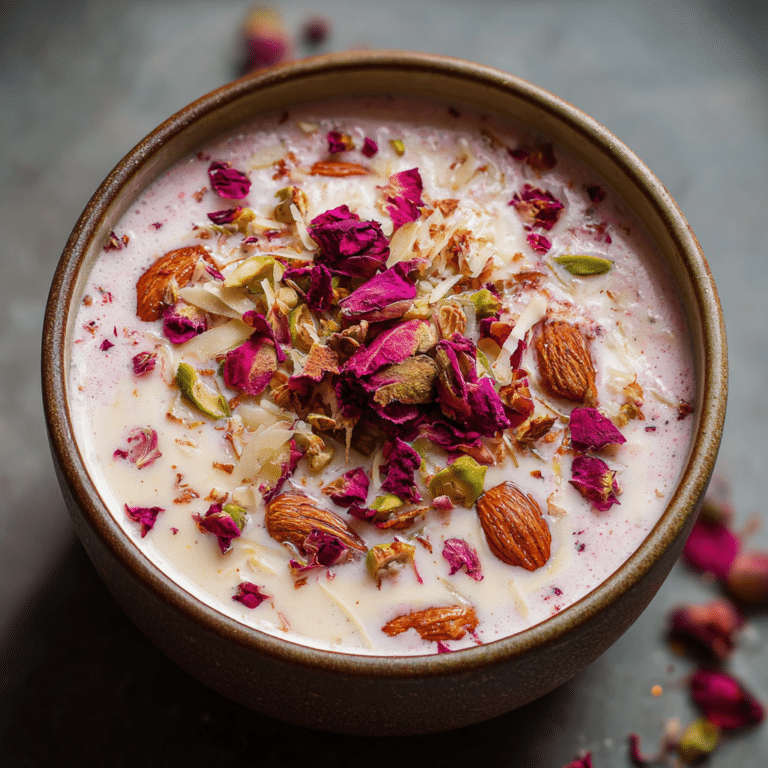
Homemade Yogurt

Discover the joy of making your own creamy and delicious homemade yogurt right in your kitchen! This easy-to-follow recipe shows you how to create rich, smooth yogurt using simple ingredients and straightforward steps. Whether you are a beginner or a seasoned yogurt lover, this guide will have you enjoying fresh, tangy, and wholesome homemade yogurt in no time.
Why You’ll Love This Recipe
- Simple Ingredients: Only milk and yogurt starter are needed, making it accessible and budget-friendly.
- Customizable Texture: You control how thick or creamy the yogurt turns out to suit your preference.
- Healthy and Natural: Made without preservatives or additives, offering a wholesome alternative to store-bought brands.
- Cost-Effective: Saves money by making larger batches at home compared to purchasing individual cups.
- Fun and Satisfying: The process is easy and rewarding, perfect for experimenting with flavors.
Ingredients You’ll Need
Making homemade yogurt requires very few yet essential ingredients, each playing a key role in flavor and consistency. The quality of these basics vastly improves the final result.
- Whole Milk: Full-fat milk creates richer, creamier yogurt but you can use 2% or skim milk for a lighter version.
- Plain Yogurt Starter: A small amount of live-culture plain yogurt acts as the bacterial starter for fermentation.
- Optional Sweeteners or Flavorings: Honey, vanilla extract, or fruit can be added after incubation for extra flavor.
Variations for Homemade Yogurt
This homemade yogurt recipe is wonderfully adaptable, allowing you to tweak textures, flavors, and dietary needs with ease. Here are some ideas to inspire your next batch.
- Dairy-Free Option: Use coconut, almond, or soy milk with a dairy-free yogurt starter for a non-dairy version.
- Thick Greek Style: Strain the yogurt through cheesecloth to remove whey and achieve a thick, creamy consistency.
- Flavored Yogurt: Stir in fresh berries, honey, or cinnamon after making to customize your taste.
- Probiotic Boost: Add probiotic capsules or powders to increase gut-friendly bacteria.
- Low-Fat Version: Use skim milk but note the texture may be lighter and less creamy.

How to Make Homemade Yogurt
Step 1: Heat the Milk
Begin by gently heating your milk in a saucepan until it reaches about 180°F (82°C). This step kills any unwanted bacteria and prepares the milk proteins to create a smooth texture. Stir occasionally to avoid scorching.
Step 2: Cool the Milk
Remove the milk from heat and allow it to cool down to around 110°F (43°C). This temperature range is ideal for the yogurt cultures to thrive without being harmed by excessive heat.
Step 3: Add Yogurt Starter
Take a small amount of cooled milk and mix it with the plain yogurt starter until smooth. Then, gently stir this mixture back into the bulk of the milk to evenly distribute the live cultures.
Step 4: Incubate
Pour the milk and yogurt starter mixture into a clean container and cover it. Maintain a steady warm environment at about 110°F (43°C) for 6-12 hours to allow fermentation. This can be done using a yogurt maker, oven with the light on, or a warm insulated spot.
Step 5: Refrigerate
Once the yogurt has set and thickened, place it in the refrigerator for at least 2 hours to further firm up and develop flavor. Your homemade yogurt is now ready to enjoy!
Pro Tips for Making Homemade Yogurt
- Choose Quality Milk: Fresh, good-quality milk improves flavor and texture significantly.
- Maintain Consistent Temperature: A steady incubation temperature helps yogurt set properly and prevents curdling.
- Use Fresh Starter: Yogurt starter with active live cultures is essential for successful fermentation.
- Keep Equipment Clean: Sanitize containers and utensils to avoid contamination that can spoil your yogurt.
- Adjust Incubation Time: Longer fermentation yields tangier, thicker yogurt, so experiment to find your preferred taste.
How to Serve Homemade Yogurt
Garnishes
Top your homemade yogurt with fresh fruits, a drizzle of honey, granola, or chopped nuts to add crunch and natural sweetness, enhancing every spoonful.
Side Dishes
Serve yogurt alongside warm flatbreads, fresh salads, or spicy dishes for a cooling complement that balances savory flavors wonderfully.
Creative Ways to Present
Use yogurt as a base for parfaits layered with fruits and nuts, transform it into creamy smoothies, or even freeze it into frozen yogurt bites for refreshing treats.
Make Ahead and Storage
Storing Leftovers
Homemade yogurt should be refrigerated in a sealed container where it will stay fresh for up to 2 weeks, allowing you to enjoy it throughout the week.
Freezing
You can freeze yogurt for up to 2 months; however, texture may change slightly upon thawing, so it’s best used in smoothies or cooking after freezing.
Reheating
Reheating yogurt is not recommended as it can kill beneficial bacteria and alter the texture, so it’s best served chilled or at room temperature.
FAQs
What kind of milk is best for homemade yogurt?
Whole milk yields the creamiest and richest yogurt, but you can also use 2%, skim, or non-dairy milks depending on your preference and dietary needs.
Can I use store-bought yogurt as a starter?
Yes, as long as the store-bought yogurt contains live and active cultures, it works perfectly as a starter to culture your homemade batch.
How long should I incubate my yogurt?
Fermentation typically takes between 6 to 12 hours; shorter incubation results in milder yogurt, while longer times produce tangier and thicker results.
Why is my yogurt too runny?
Runny yogurt may be caused by low incubation temperature, insufficient fermentation time, or using milk with lower fat content; adjusting these factors helps firm it up.
Is homemade yogurt safe to eat?
Yes, as long as you use clean equipment and fresh ingredients, homemade yogurt is safe and healthy to consume, packed with beneficial probiotics.
Final Thoughts
Making homemade yogurt is a rewarding and delicious adventure that anyone can enjoy. With just a few simple ingredients and a little patience, you’ll have fresh, creamy yogurt that tastes better than anything store-bought. Give this easy homemade yogurt recipe a try today and savor the satisfying feeling of creating your own wholesome treat!
Related Posts
Print
Homemade Yogurt
- Total Time: 6 hours 10 minutes to 12 hours 10 minutes
- Yield: Approximately 4 cups of yogurt 1x
- Diet: Gluten Free
Description
Learn how to make rich, creamy, and tangy homemade yogurt with only a few simple ingredients. This easy recipe guides you through heating, cooling, culturing, and incubating milk to create wholesome yogurt without preservatives, customizable to your preferred thickness and flavor.
Ingredients
Essential Ingredients
- 4 cups whole milk (or 2%/skim milk for lighter yogurt)
- 2 tablespoons plain yogurt starter with live active cultures
Optional Ingredients
- Honey, vanilla extract, or fresh fruit for flavoring after incubation
Instructions
- Heat the Milk: Gently heat the milk in a saucepan to about 180°F (82°C) to kill unwanted bacteria and prepare proteins for smooth texture. Stir occasionally to prevent scorching.
- Cool the Milk: Remove the milk from heat and allow it to cool to approximately 110°F (43°C), creating an ideal environment for bacterial cultures to thrive.
- Add Yogurt Starter: Mix a small amount of the cooled milk with plain yogurt starter until smooth, then stir this mixture back into the bulk milk evenly to distribute live cultures.
- Incubate: Pour the mixture into a clean container and cover. Incubate at a steady warm temperature of about 110°F (43°C) for 6-12 hours using a yogurt maker, oven with light on, or warm insulated place to ferment.
- Refrigerate: Once set, refrigerate the yogurt for at least 2 hours to firm up and develop flavor before enjoying.
Notes
- Choose fresh, high-quality milk for best flavor and texture.
- Maintain consistent incubation temperature to ensure proper setting and prevent curdling.
- Use fresh yogurt starter with active live cultures to guarantee fermentation success.
- Keep all equipment clean and sanitized to avoid contamination.
- Adjust incubation time to control tartness and thickness to your preference.
- Prep Time: 10 minutes
- Cook Time: 6 to 12 hours incubation
- Category: Appetizers
- Method: Incubation
- Cuisine: Universal
Nutrition
- Serving Size: 1/2 cup (120 ml)
- Calories: 90
- Sugar: 7g
- Sodium: 50mg
- Fat: 5g
- Saturated Fat: 3g
- Unsaturated Fat: 1g
- Trans Fat: 0g
- Carbohydrates: 7g
- Fiber: 0g
- Protein: 5g
- Cholesterol: 20mg
Keywords: homemade yogurt, creamy yogurt, yogurt recipe, yogurt starter, fermentation, healthy yogurt, dairy-free yogurt option, greek yogurt, probiotic yogurt