
Poached Eggs
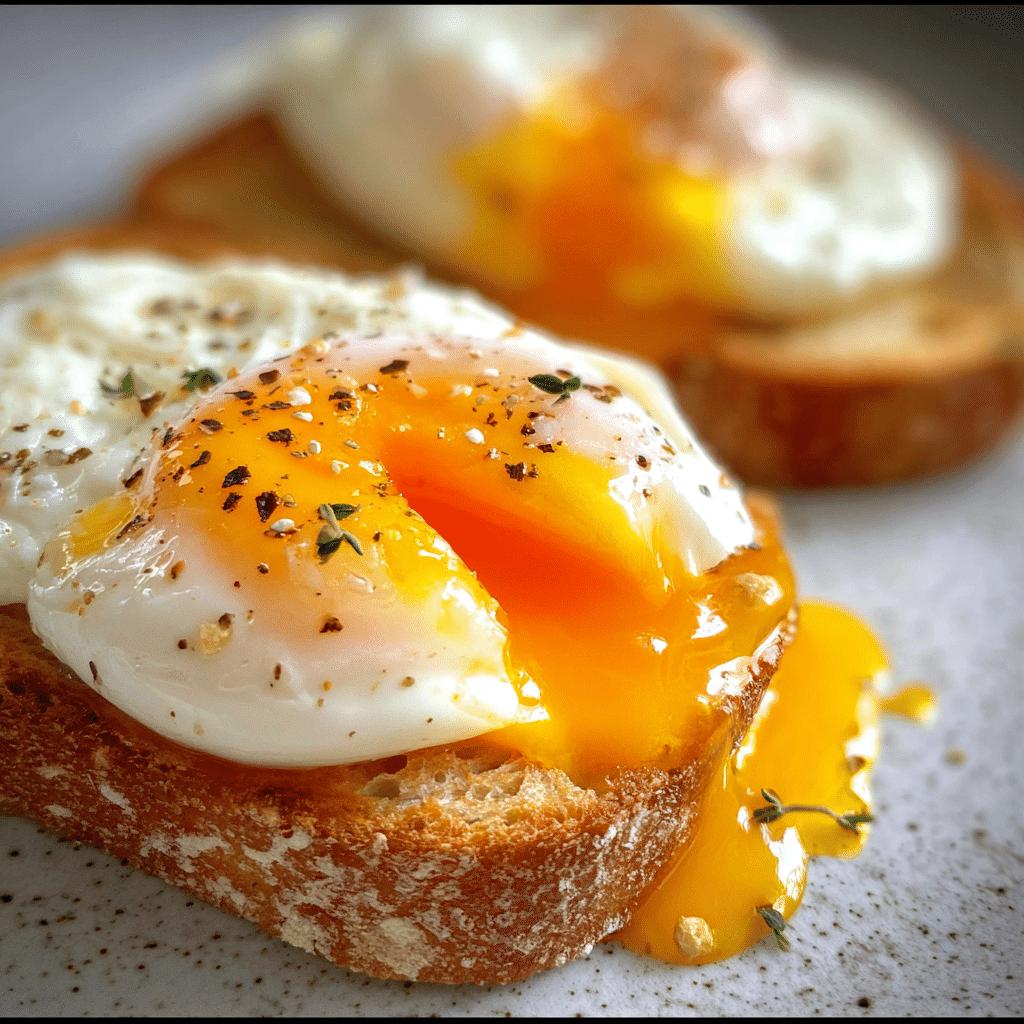
Master the art of poached eggs with our simple, foolproof tips for perfect, silky poached eggs every time you cook. Poached eggs are a delightful way to enjoy eggs without any added fat, delivering a tender, runny yolk embraced by a silky white. Whether topping a salad, balancing a classic Eggs Benedict, or simply enjoying on toast, learning how to make perfect poached eggs will elevate any meal with elegance and ease.
Why You’ll Love This Recipe
- Healthy and Light: Poached eggs are cooked without oil or butter, making them a nutritious choice for any meal.
- Simple Ingredients: Just eggs, water, and a touch of vinegar create a gourmet result without fuss.
- Elegant Presentation: Their smooth, delicate shape instantly upgrades your breakfast or brunch plate.
- Versatile Usage: Perfect atop salads, toast, or noodles, making your dishes both tasty and protein-packed.
- Quick to Make: Ready in minutes, so you can enjoy restaurant-quality poached eggs at home anytime.
Ingredients You’ll Need
Crafting perfect poached eggs requires only a handful of simple, quality ingredients. Each plays a unique role—from creating the tender whites to enhancing overall flavor and ease during cooking.
- Fresh Eggs: The fresher the eggs, the better they hold together during poaching, resulting in perfect silky whites.
- Water: Clean, filtered water is the base for poaching, providing a gentle cooking environment.
- Vinegar: Adding a splash of white or apple cider vinegar helps the egg whites coagulate faster for neat, compact poached eggs.
- Salt (Optional): A pinch can be added to the water for subtle seasoning or sprinkled on after cooking for flavor.
Variations for Poached Eggs
Poached eggs are wonderfully adaptable. You can easily customize your eggs to match flavor cravings, dietary needs, or what you have on hand—making this recipe endlessly versatile.
- Herb-Infused Water: Add fresh herbs like thyme or rosemary to the poaching water for delicate aromatic hints.
- Spiced Poach: Incorporate a pinch of chili flakes or smoked paprika after cooking to add warmth and depth.
- Vegan “Eggs”: Experiment with tofu or chickpea flour-based versions if you prefer a plant-based alternative.
- Eggs Benedict Twist: Top with hollandaise and your favorite protein like smoked salmon or crispy bacon for brunch perfection.
- Avocado Pairing: Serve over smashed avocado for a creamy texture and a boost of healthy fats.

How to Make Poached Eggs
Step 1: Prepare Your Water
Fill a wide, shallow pan with water to about 3-4 inches deep and bring it to a gentle simmer. Add a splash of vinegar—about 1 tablespoon per liter of water—to help the egg whites set quickly without affecting flavor.
Step 2: Crack the Eggs Carefully
Crack each egg into a small bowl or ramekin one at a time. This allows you to gently slide the eggs into the water and ensures no shells go in the pot.
Step 3: Create a Gentle Whirlpool
Using a spoon, stir the simmering water to create a subtle whirlpool. This motion encourages the egg white to wrap snugly around the yolk, resulting in the iconic poached egg shape.
Step 4: Add the Egg to the Water
Slowly slide the egg from the bowl into the center of the whirlpool. Let it cook undisturbed for 3 to 4 minutes for a runny yolk; add a minute or so if you prefer it firmer.
Step 5: Remove and Drain
Using a slotted spoon, carefully lift the poached egg out of the water, letting excess water drip off. Transfer it to a towel or paper towel-lined plate to dry before serving.
Pro Tips for Making Poached Eggs
- Use Fresh Eggs: The fresher, the better; fresh eggs hold their shape and create smoother whites when poached.
- Don’t Boil the Water: Keep a gentle simmer instead of a rolling boil to avoid breaking the eggs apart.
- Vinegar Is Key: A little vinegar in the water strengthens the whites, preventing wispy strands.
- Work One at a Time: Poach eggs individually for the best control and presentation.
- Strain the Egg: For ultra-clean poached eggs, gently strain the egg from the bowl before cooking to remove loose whites.
How to Serve Poached Eggs
Garnishes
Poached eggs shine with simple garnishes that enhance flavor and presentation. Sprinkle freshly cracked black pepper, chopped chives, or a pinch of flaky sea salt. A drizzle of olive oil or a dusting of smoked paprika adds a gorgeous touch.
Side Dishes
Pair your poached eggs with toasted sourdough, sautéed greens, or roasted vegetables for a balanced meal. Crispy bacon or smoked salmon complement the richness of the egg yolk beautifully, making breakfast or brunch extra special.
Creative Ways to Present
Try placing poached eggs over a bed of creamy polenta or atop ramen for a unique twist. You can also nestle them in avocado halves or nestle on top of grain bowls to elevate your meal visually and gastronomically.
Make Ahead and Storage
Storing Leftovers
Poached eggs are best eaten fresh, but if you have leftovers, store them gently in a container with cold water in the refrigerator for up to 24 hours to keep them moist.
Freezing
Freezing poached eggs is generally not recommended because the texture can degrade, but you can freeze cooked yolks separately for later use in sauces.
Reheating
To reheat, gently place the poached egg in simmering water for about a minute until warmed through, avoiding microwave reheating to keep the perfect texture.
FAQs
What is the best way to get tidy poached eggs?
Using fresh eggs and adding vinegar to simmering water helps the whites coagulate quickly for neat, round poached eggs.
Can I poach eggs ahead of time?
Yes, you can poach eggs up to one day in advance and keep them in cold water in the fridge, reheating gently in simmering water before serving.
Why is my egg white spreading in the water?
Older eggs have thinner whites that spread easily; always use fresh eggs and consider straining loose whites before poaching.
Is vinegar necessary for poaching eggs?
While optional, vinegar helps whites set quickly, making for cleaner poached eggs, especially useful if you’re new to the technique.
How long should I poach eggs for a runny yolk?
Poach eggs for about 3 to 4 minutes to achieve a soft white with a flowing yolk; longer times will yield firmer yolks.
Final Thoughts
Now that you know how to create perfect poached eggs, it’s time to bring this simple but sophisticated dish into your kitchen rotation. The silky, runny yolks paired with tender whites make poached eggs a breakfast gem you’ll want again and again. Give these easy steps a try, and enjoy the delicious, feel-good satisfaction of cooking poached eggs exactly the way you like every single time.
Related Posts
Print
Poached Eggs
- Total Time: 9 minutes
- Yield: 1 serving (1-2 eggs)
- Diet: Gluten Free
Description
Master the art of perfect poached eggs with this simple, foolproof recipe that delivers tender whites and silky, runny yolks every time. Poached eggs are a healthy, fat-free way to enjoy eggs, perfect for breakfast, brunch, or as a versatile topping on toast, salads, and more. With just eggs, water, and vinegar, you can elevate your meals with elegant presentation and restaurant-quality results at home.
Ingredients
Ingredients You’ll Need
- Fresh eggs – as many as desired
- Water – enough to fill a wide pan 3-4 inches deep
- White or apple cider vinegar – 1 tablespoon per liter of water
- Salt (optional) – a pinch for seasoning in water or after cooking
Instructions
- Prepare Your Water: Fill a wide, shallow pan with water about 3-4 inches deep and bring to a gentle simmer. Add about 1 tablespoon of vinegar per liter of water to help the egg whites set quickly without affecting flavor.
- Crack the Eggs Carefully: Crack each egg into a small bowl or ramekin one at a time. This ensures no shell fragments go into the water and makes sliding the egg in easier.
- Create a Gentle Whirlpool: Stir the simmering water gently with a spoon to create a subtle whirlpool. This encourages the egg white to wrap tightly around the yolk.
- Add the Egg to the Water: Slowly and gently slide the egg from the bowl into the center of the whirlpool. Let it cook undisturbed for 3 to 4 minutes for a runny yolk, or add 1-2 minutes for firmer yolks.
- Remove and Drain: Use a slotted spoon to carefully lift the poached egg out of the water. Allow excess water to drip off and transfer the egg to a towel or paper towel-lined plate to dry before serving.
Notes
- Use the freshest eggs possible for best shape and texture.
- Maintain a gentle simmer rather than a rolling boil to prevent the eggs from falling apart.
- A splash of vinegar in poaching water is key to neat, compact eggs.
- Poach eggs one at a time for better control and presentation.
- For extra clean eggs, strain the egg from the bowl before adding it to the water to remove loose whites.
- Prep Time: 5 minutes
- Cook Time: 4 minutes
- Category: Breakfast
- Method: Poaching
- Cuisine: International
Nutrition
- Serving Size: 1 large egg
- Calories: 70
- Sugar: 0.5g
- Sodium: 70mg
- Fat: 5g
- Saturated Fat: 1.5g
- Unsaturated Fat: 3g
- Trans Fat: 0g
- Carbohydrates: 0.5g
- Fiber: 0g
- Protein: 6g
- Cholesterol: 185mg
Keywords: poached eggs, healthy eggs, breakfast, brunch, egg recipe, poaching, low-fat eggs